Web Design & UX: Building Websites That Attract, Engage, and Convert


Social Media Marketing: A Complete Guide to Growing Your Business Online


SEO & Search Marketing: How to Grow Your Business Through Search


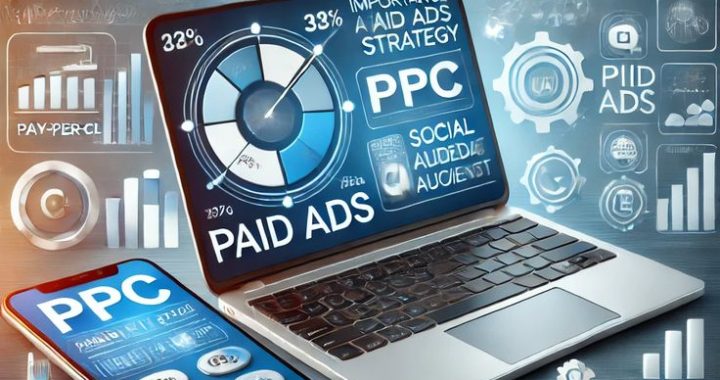
Paid Advertising (PPC & Ads): A Complete Guide to Growing Your Business Online


Paid Advertising (PPC & Ads): A Complete Guide to Growing Your Business Online

In today’s competitive digital world, getting your business noticed can be challenging. Customers are constantly searching, comparing, scrolling, and discovering new brands online. While organic strategies such as SEO and content marketing are important for long-term growth, businesses often need a faster way to reach potential customers.

This is where Paid Advertising and PPC (Pay-Per-Click) advertising come into the picture.

Paid advertising allows businesses to promote their products and services to specific audiences through search engines, social media platforms, websites, video platforms, and other digital channels.

But is simply spending money on advertisements enough?

Are your ads bringing real customers or just clicks?

A successful paid advertising strategy is not about spending the most money. It is about reaching the right people, delivering the right message, choosing suitable platforms, and continuously improving campaigns based on data.

In this article, we’ll explore PPC and paid advertising, how it works, its major types, benefits, common mistakes, important metrics, and how businesses can use it as part of a complete digital marketing strategy.

What Is Paid Advertising?

Paid advertising is a digital marketing strategy in which businesses pay an advertising platform to display promotional content to potential customers.

Unlike organic marketing, where visibility is earned through content, SEO, social media activity, or other unpaid methods, paid advertising involves investing money to gain exposure.

Paid advertisements can appear in many places, including:

  • Search engine results
  • Social media feeds
  • Video platforms
  • Websites
  • Mobile applications
  • Shopping results
  • Display networks
  • Sponsored content

Businesses can use paid advertising for different goals, such as:

  • Increasing website traffic
  • Generating leads
  • Increasing sales
  • Promoting products
  • Building brand awareness
  • Getting phone calls
  • Increasing app downloads
  • Promoting special offers

The exact advertising options depend on the platform and campaign type.

What Is PPC Advertising?

PPC stands for Pay-Per-Click.

PPC is an advertising model where advertisers generally pay when someone clicks on their advertisement.

For example, imagine a business provides web development services.

It could create an advertisement targeting a search such as:

“Web development company near me.”

When a potential customer sees the advertisement and clicks on it, the advertiser may pay for that click.

The actual cost can vary depending on factors such as competition, targeting, keyword relevance, campaign settings, platform algorithms, and other auction factors.

PPC is commonly associated with search advertising, but pay-per-click or click-based advertising approaches can also be used in other digital advertising environments.

Why Is Paid Advertising Important in Digital Marketing?

Digital marketing gives businesses many ways to reach customers.

SEO can build organic visibility.

Content marketing can educate audiences.

Social media can create engagement.

Email marketing can nurture relationships.

Paid advertising can provide another important advantage: controlled and targeted visibility.

A business can create a campaign designed to reach a particular audience instead of waiting for potential customers to discover it organically.

Some major benefits of paid advertising include:

Faster Visibility

Once a campaign is approved and active, advertisements can begin appearing to relevant audiences.

Audience Targeting

Depending on the platform, businesses can target people using factors such as location, demographics, interests, search behavior, or previous interactions.

Measurable Results

Advertisers can monitor impressions, clicks, conversions, costs, and other performance indicators.

Budget Control

Campaigns can generally be managed with defined budgets and spending limits.

Flexible Testing

Businesses can test different advertisements, audiences, keywords, offers, and landing pages.

What if you could reach potential customers when they are actively looking for your service?

That’s one of the reasons search-based PPC can be particularly useful for businesses.

How Does PPC Advertising Work?

PPC advertising may look simple from the outside, but successful campaigns involve several steps.

Step 1: Define Your Goal

Before creating a campaign, decide what you want to achieve.

Your objective could be:

  • Generate leads
  • Increase sales
  • Get phone calls
  • Drive website traffic
  • Promote a product
  • Increase brand awareness

A campaign without a clear goal can be difficult to measure.

Step 2: Understand Your Target Audience

Who are you trying to reach?

You should understand:

  • Their needs
  • Their problems
  • Their interests
  • Their location
  • Their buying behavior
  • Their search habits
  • Their stage in the customer journey

The better you understand your audience, the easier it becomes to create relevant advertisements.

Step 3: Choose Keywords or Audience Targeting

Search advertising often involves keywords.

Social and display campaigns may use different targeting methods.

The goal is to connect your advertisement with people who are likely to be interested in your offering.

Step 4: Create Your Advertisement

Your advertisement needs to communicate a clear message.

It should explain what you offer and encourage the user to take an appropriate action.

Step 5: Choose a Relevant Landing Page

When someone clicks your advertisement, they should reach a page related to the ad.

If the advertisement promotes SEO services, the landing page should provide information about SEO services rather than sending visitors to an unrelated page.

Step 6: Set Your Budget

Determine how much you are comfortable spending.

The budget should be connected to your business goals and expected customer value.

Step 7: Launch the Campaign

After reviewing your targeting, advertisements, budget, and tracking setup, the campaign can be launched.

Step 8: Monitor and Optimize

This is one of the most important parts.

Paid advertising should not simply be launched and forgotten.

Marketers should regularly analyze performance and make improvements.

The basic PPC process can be summarized as:

Research → Plan → Create → Launch → Measure → Optimize

Major Types of Paid Advertising

Paid advertising includes many different formats. The best option depends on the business, audience, product, and marketing goal.

1. Search Advertising

Search ads appear when users search for particular terms on search engines.

For example:

“Best digital marketing agency for small business”

A relevant business may show an advertisement for its services.

Search advertising is powerful because it can reach people who already have a specific need or intention.

This makes it particularly useful for service-based businesses.

2. Display Advertising

Display advertising uses visual advertisements that can appear across websites and other digital properties within participating advertising networks.

These ads may contain:

  • Images
  • Text
  • Graphics
  • Offers
  • Calls-to-action

Display campaigns can be useful for increasing awareness and reaching audiences beyond search results.

3. Social Media Advertising

Social media advertising allows businesses to promote content, products, services, or offers to selected audiences.

Depending on the platform, businesses may advertise:

  • Images
  • Videos
  • Carousels
  • Lead forms
  • Products
  • Events
  • Offers

Social media ads can help businesses introduce their brand to people who may not yet be actively searching for their products.

4. Video Advertising

Video advertising has become an important part of digital marketing.

Businesses can use video advertisements to:

  • Demonstrate products
  • Explain services
  • Tell brand stories
  • Educate audiences
  • Promote offers
  • Build awareness

A good video advertisement doesn’t need to explain everything.

It needs to communicate the most important idea clearly enough to encourage the next step.

5. Shopping Advertising

Shopping advertisements are particularly useful for e-commerce businesses.

These advertisements can show information such as:

  • Product image
  • Product name
  • Price
  • Store information

This allows potential customers to understand the product before clicking through to the website.

6. Remarketing

Not every website visitor will purchase something during their first visit.

Remarketing can help businesses reach people who have previously interacted with their website, app, or other digital properties, depending on the platform and available targeting options.

For example:

Visitor → Views product → Leaves website → Sees relevant ad later → Returns

This can help keep the business visible during the customer’s decision-making process.

However, remarketing should be managed carefully so that advertisements don’t become repetitive or intrusive.

7. Lead Generation Ads

Some advertising platforms allow businesses to collect leads directly through advertising interfaces.

These campaigns can be useful for businesses offering:

  • Consultations
  • Courses
  • Services
  • Events
  • Insurance
  • Real estate
  • Professional solutions

The form should request only information that is genuinely useful for the next stage of the process.

PPC Keyword Research

For search advertising, keyword research is one of the most important steps.

However, choosing keywords only because they have high search volume can be a mistake.

The more important question is:

What does the searcher actually want?

Consider these examples.

Informational Search

“What is SEO?”

The user is looking for information.

Commercial Search

“Best SEO agency for small businesses”

The user may be comparing providers.

Transactional Search

“Hire SEO agency”

The user may have stronger purchasing intent.

Understanding search intent can help advertisers create campaigns that are more relevant.

Long-Tail Keywords in PPC

Long-tail keywords are more specific search phrases.

For example:

Broad:

“SEO”

Specific:

“SEO services for small businesses”

Specific phrases may attract fewer searches but can sometimes provide stronger relevance.

The right balance depends on:

  • Search volume
  • Competition
  • Cost
  • Business objectives
  • Search intent
  • Conversion potential

Negative Keywords

Negative keywords can help prevent search advertisements from appearing for unwanted or irrelevant queries.

For example, a business offering premium paid services may want to avoid traffic from searches related to free alternatives if those searches don’t match its offering.

Using appropriate negative keywords can help reduce irrelevant clicks and improve campaign efficiency.

How to Write Better PPC Ads

A PPC advertisement has limited space.

Every word should contribute to the message.

A strong ad should communicate:

  • What you offer
  • Who you help
  • A relevant benefit
  • A clear next step

For example:

Basic Ad

Digital Marketing Services Available

More Specific Ad

Grow Your Online Presence With Digital Marketing

The second version provides more context.

However, advertisements should always remain accurate and avoid misleading promises.

Why Headlines Matter in Paid Advertising

The headline is often one of the first elements people notice.

A good headline can:

  • Address a need
  • Highlight a benefit
  • Mention a relevant service
  • Create curiosity
  • Encourage action

For example:

“Professional Google Ads Management”

is more specific than:

“Marketing Services Available.”

The best headline depends on the audience and campaign objective.

The Importance of Landing Pages

Getting the click is only one part of the campaign.

What happens after the click matters just as much.

Imagine someone clicks an advertisement promoting:

“Professional SEO Services for Small Businesses.”

They expect to find information about SEO services.

If they land on a confusing page with no clear information, they may leave.

A strong landing page should usually have:

  • Clear headline
  • Relevant content
  • Strong value proposition
  • Easy navigation
  • Trust signals
  • Clear CTA
  • Simple forms
  • Mobile-friendly design

The advertisement and landing page should feel connected.

What Is Quality Score?

In Google Ads search advertising, Quality Score is a diagnostic metric associated with keywords.

It considers factors including:

  • Expected click-through rate
  • Ad relevance
  • Landing page experience

This means advertisers should not focus exclusively on bidding.

Improving relevance and the user experience can also be important for campaign performance.

Understanding PPC Bidding

Paid advertising platforms use auction systems to determine when and where advertisements can appear.

Different campaigns may use different bidding strategies depending on their objectives.

Businesses may optimize toward goals such as:

  • Clicks
  • Conversions
  • Conversion value
  • Visibility
  • Other platform-supported objectives

The right strategy depends on the campaign and the quality of available performance data.

How Much Does PPC Advertising Cost?

There isn’t one fixed PPC price.

Costs can vary significantly based on:

  • Industry
  • Competition
  • Keywords
  • Location
  • Audience
  • Platform
  • Campaign objective
  • Ad relevance
  • Landing page quality

For example, highly competitive commercial keywords may cost more than less competitive searches.

This is why businesses should not decide their PPC budget based solely on what another company spends.

How to Set a PPC Budget

Before launching a campaign, businesses should understand their financial limits and marketing goals.

Consider:

  • Available advertising budget
  • Average product value
  • Customer lifetime value
  • Expected conversion rate
  • Target cost per acquisition
  • Profit margins

A business should have a clear idea of what it considers a valuable customer.

Spending ₹10,000 to generate one customer could be excellent for a high-value service and terrible for a low-margin product.

The numbers need to be evaluated in context.

Important PPC Metrics

One of the biggest advantages of digital advertising is measurability.

Here are some important metrics to understand.

Impressions

The number of times an advertisement is displayed.

Clicks

The number of times users click the advertisement.

Click-Through Rate

CTR indicates how frequently users click after seeing an advertisement.

Cost Per Click

CPC represents the average cost associated with a click.

Conversion Rate

Conversion rate shows how often users complete the desired action.

Cost Per Conversion

This indicates the average advertising cost associated with each conversion.

Return on Ad Spend

ROAS compares advertising-attributed revenue with advertising expenditure where applicable.

Cost Per Lead

For lead-generation campaigns, this can help businesses understand how much they are spending to acquire a lead.

But there is an important point:

Is a cheap lead always a good lead?

No.

Lead quality and actual sales outcomes should also be considered.

PPC and Conversion Tracking

Conversion tracking is one of the most important parts of paid advertising.

Without conversion tracking, businesses may know that people are clicking advertisements but not whether those clicks are producing valuable results.

Conversions may include:

  • Purchases
  • Form submissions
  • Phone calls
  • Consultation bookings
  • App downloads
  • Newsletter sign-ups

Tracking allows marketers to understand which campaigns are contributing to business goals.

PPC vs SEO

PPC and SEO are different but complementary strategies.

PPC

  • Paid visibility
  • Can generate traffic quickly
  • Allows controlled targeting
  • Requires advertising budget
  • Performance can be measured directly

SEO

  • Organic visibility
  • Usually takes longer to build
  • Requires ongoing optimization
  • Can generate long-term organic traffic
  • Doesn’t require payment for each organic click

A business doesn’t necessarily have to choose one.

A combined SEO and PPC strategy can provide both immediate visibility and long-term organic growth.

PPC vs Social Media Advertising

Search PPC and social media advertising can serve different purposes.

Search Advertising

The user is actively searching.

For example:

“Best web development company.”

Social Media Advertising

The user may not be searching for the service at that moment.

They may discover a useful video or advertisement while browsing.

This means:

Search ads can capture existing demand.

Social ads can help create awareness and demand.

Both can be useful depending on the business.

PPC for Small Businesses

Small businesses often assume that paid advertising requires a huge budget.

That’s not necessarily true.

A small business can create focused campaigns around:

  • Specific locations
  • Specific services
  • Specific products
  • High-intent searches
  • Carefully selected audiences

For example, a local digital marketing agency may focus on relevant searches within its service area instead of trying to reach an entire country.

A focused campaign can make budget management easier.

PPC for E-Commerce

E-commerce businesses can use paid advertising to promote individual products and categories.

Important factors include:

  • Product images
  • Product descriptions
  • Pricing
  • Offers
  • Audience targeting
  • Product feeds
  • Landing pages
  • Conversion tracking

A customer should be able to understand what the product is and why it may be useful.

The easier it is to evaluate a product, the smoother the buying journey can become.

Remarketing Strategies

Remarketing can be used at different stages of the customer journey.

For example:

Website Visitor

Show relevant information or reminders.

Product Viewer

Promote the product they previously viewed.

Cart Abandoner

Encourage them to return to complete their purchase.

Existing Customer

Introduce relevant products or services.

Each audience can require a different message.

Using the same advertisement for everyone may reduce relevance.

Common Paid Advertising Mistakes

Paid advertising can become expensive when campaigns aren’t planned carefully.

Here are some common mistakes.

1. Targeting Everyone

Trying to reach everyone can lead to wasted budget.

2. Choosing the Wrong Keywords

Irrelevant keywords can bring low-quality traffic.

3. Ignoring Search Intent

A high-volume keyword isn’t necessarily valuable if the user’s intention doesn’t match your offering.

4. Writing Generic Ads

If your advertisement looks like every competitor’s ad, it may struggle to stand out.

5. Poor Landing Pages

A good advertisement can’t compensate for a confusing landing page.

6. No Conversion Tracking

Without tracking, it is difficult to measure real campaign performance.

7. Focusing Only on Clicks

Clicks are useful, but they aren’t always the final objective.

8. Not Testing

A single advertisement may not be the best-performing version.

9. Ignoring Mobile Users

Many customers interact with digital advertisements through mobile devices, so mobile usability matters.

10. Setting and Forgetting Campaigns

PPC requires regular monitoring and optimization.

How to Improve PPC Campaign Performance

Improving PPC is an ongoing process.

Review Search Terms

Identify irrelevant searches and add suitable negative keywords.

Improve Ad Relevance

Make advertisements closely match the audience and search intent.

Test Different Ad Messages

Try different headlines, benefits, offers, and CTAs.

Improve Landing Pages

Make the page clear, relevant, and easy to navigate.

Analyze Conversions

Find out which campaigns generate valuable actions.

Adjust Budgets

Allocate more budget toward campaigns that demonstrate stronger performance when appropriate.

Monitor Lead Quality

A campaign generating fewer but better leads may be more valuable than one generating a large number of poor-quality leads.

A/B Testing in Paid Advertising

A/B testing involves comparing different versions of an element to learn which performs better.

Businesses can test:

  • Headlines
  • Ad descriptions
  • CTAs
  • Landing pages
  • Offers
  • Images
  • Videos
  • Audience segments

For example:

Version A:
“Grow Your Business With SEO”

Version B:
“Improve Your Website’s Search Visibility”

Testing can provide insights into what resonates with your audience.

The important thing is to test systematically and evaluate meaningful results rather than making decisions based on very small differences.

PPC and Content Marketing

Paid advertising and content marketing can work together.

For example, a business creates an educational article:

“10 SEO Mistakes Small Businesses Should Avoid.”

Instead of relying only on organic traffic, the business could use appropriate paid promotion to reach relevant audiences.

Visitors can then:

See Ad → Read Content → Learn About Brand → Explore Services → Become Lead

This approach can help businesses build familiarity before asking for a purchase.

PPC and Email Marketing

Paid advertising can also support email marketing.

For example:

Paid Ad → Landing Page → Newsletter Sign-Up → Email Sequence → Lead Nurturing → Conversion

The key is to collect subscriber information through appropriate permission-based methods and provide useful communication.

Email can help businesses maintain a relationship with potential customers who aren’t ready to buy immediately.

PPC and Social Media

Paid campaigns can support social media strategies by increasing the reach of selected content.

Businesses can promote:

  • Educational videos
  • Product demonstrations
  • Customer stories
  • Offers
  • Events
  • New services

The objective should be clear.

Don’t advertise content simply because it looks good.

Advertise content that supports a meaningful marketing goal.

PPC and Web Development

The quality of your website can directly affect what happens after an advertisement is clicked.

A well-designed website should provide:

  • Fast and accessible pages
  • Clear navigation
  • Mobile-friendly design
  • Relevant information
  • Strong calls-to-action
  • Easy forms

If paid advertising brings visitors to a poor website experience, part of the advertising investment may be wasted.

This is why PPC, web development, and conversion optimization should often be considered together.

PPC and Analytics

Analytics helps businesses understand what happens after users interact with advertisements.

Businesses can analyze:

  • Traffic sources
  • User behavior
  • Conversion paths
  • Landing page performance
  • Campaign results
  • Customer actions

This allows marketers to make decisions based on evidence rather than assumptions.

For example, if one campaign generates many clicks but another generates fewer clicks and more customers, the second campaign may be more valuable.

How to Create a Successful PPC Campaign

A practical PPC campaign can follow these steps:

Step 1: Set a Clear Goal

Decide what success means.

Step 2: Define Your Audience

Identify the people you want to reach.

Step 3: Research Keywords or Targeting

Choose relevant search terms or audiences.

Step 4: Create Strong Ad Copy

Communicate your value clearly.

Step 5: Build a Relevant Landing Page

Match the page with the advertisement.

Step 6: Set a Realistic Budget

Start within your financial limits.

Step 7: Configure Tracking

Measure valuable actions.

Step 8: Launch

Begin collecting campaign data.

Step 9: Analyze

Review performance regularly.

Step 10: Optimize

Improve the campaign based on what the data shows.

How Long Does PPC Take to Show Results?

One advantage of PPC is that campaigns can begin generating visibility relatively quickly after approval.

However, immediate visibility doesn’t necessarily mean immediate profitability.

A campaign may require time to:

  • Collect data
  • Identify high-performing keywords
  • Understand audience behavior
  • Improve advertisements
  • Optimize landing pages
  • Adjust budgets
  • Improve conversion rates

The timeline varies significantly depending on the industry, competition, budget, campaign objective, and website.

Is PPC Suitable for Every Business?

PPC can be useful for many types of businesses, but the strategy needs to fit the business model.

It can be particularly useful when:

  • Customers actively search for the product or service
  • The business has a clear offer
  • The website can convert visitors
  • Results can be measured
  • The business has a realistic advertising budget

Before investing heavily, businesses should understand their market and customer acquisition economics.

How Can Businesses Avoid Wasting PPC Budget?

Budget efficiency begins before the campaign launches.

Businesses can reduce unnecessary spending by:

  • Defining the target audience
  • Using relevant keywords
  • Adding negative keywords where appropriate
  • Writing specific advertisements
  • Creating relevant landing pages
  • Tracking conversions
  • Monitoring search terms
  • Reviewing audience performance
  • Testing different approaches
  • Removing poor-performing elements when supported by sufficient data

The goal isn’t necessarily to get the cheapest click.

The goal is to generate valuable business outcomes efficiently.

The Future of Paid Advertising

Paid advertising will continue to evolve as technology and customer behavior change.

AI and automation are increasingly becoming part of advertising platforms.

Marketers may have access to more automated tools for:

  • Audience selection
  • Creative optimization
  • Bidding
  • Campaign management
  • Reporting
  • Performance analysis

However, automation doesn’t remove the need for strategy.

Businesses still need to understand:

  • Their customers
  • Their brand
  • Their offers
  • Their goals
  • Their economics
  • Their customer journey

Technology can help execute campaigns, but humans still need to decide what the business should communicate and why.

Paid Advertising Trends to Watch

Several developments are likely to remain important in digital advertising.

AI-Assisted Advertising

AI can help advertisers analyze data and create or optimize certain campaign elements.

More Automated Campaign Management

Advertising platforms continue to introduce automated tools designed to simplify campaign management.

First-Party Data

Businesses are placing greater emphasis on customer information they collect directly and responsibly.

Better Measurement

Advertisers are becoming more focused on measuring actual business outcomes rather than surface-level engagement.

Creative Quality

As automated targeting becomes more common, high-quality creative and strong messaging can become increasingly important for differentiation.

Privacy-Conscious Advertising

Responsible data practices and customer trust will continue to matter.

Final Thoughts

Paid advertising and PPC can be powerful tools for businesses that want to increase visibility, generate leads, promote products, and reach potential customers online.

But successful advertising is not simply about putting money behind an advertisement.

It requires a complete process:

Research → Targeting → Ad Creation → Landing Page → Tracking → Analysis → Optimization

Businesses need to understand their customers, create relevant advertisements, monitor performance, and continuously improve their campaigns.

The biggest mistake is treating PPC as a one-time activity.

Digital advertising works best when businesses test, learn, and adapt.

Are you getting enough value from every advertising rupee you spend?

If the answer is no, it may be time to review your targeting, advertisements, landing pages, tracking, and overall customer journey.

At IFFECTUS, paid advertising can be combined with SEO, Social Media Marketing, Content Marketing, Email Marketing, Web Development, Graphic Design, and Analytics to create a complete digital marketing strategy.

The goal isn’t just to get more clicks.

The goal is to turn the right clicks into meaningful business growth.

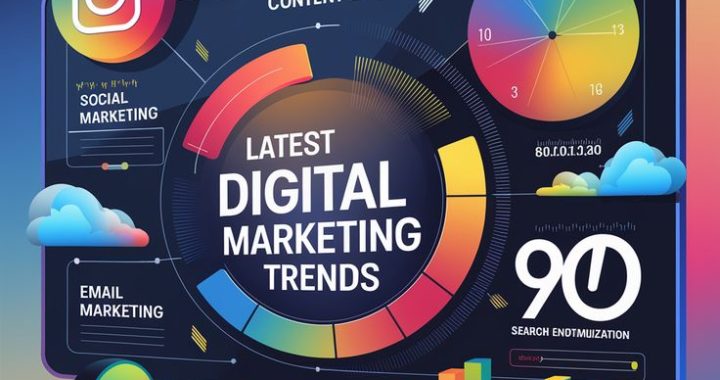
Marketing Trends & Industry News: What’s Changing in Digital Marketing?


Marketing Trends & Industry News: What’s Changing in Digital Marketing?

Digital marketing is changing faster than ever.

New technologies, changing customer behavior, artificial intelligence, search engine updates, social media features, privacy rules, and new content formats are constantly influencing how businesses connect with their audiences.

A strategy that worked perfectly a year ago may need significant changes today.

Are you keeping up with the latest digital marketing trends?

Staying informed doesn’t mean following every trend. It means understanding which changes can actually affect your business and knowing when it is worth adapting your strategy.

In this article, we’ll explore some of the major digital marketing trends and industry developments that businesses and marketers should understand.

Why Do Digital Marketing Trends Matter?

Digital marketing trends can influence how people discover brands, consume content, search for information, and make purchasing decisions.

For businesses, staying updated can help with:

  • Reaching new audiences
  • Improving customer experiences
  • Creating better content
  • Adapting advertising strategies
  • Finding new marketing opportunities
  • Understanding changing consumer behavior
  • Staying competitive

However, following a trend simply because everyone else is doing it can be a mistake.

The better approach is to ask:

Does this trend actually help my audience or business?

If the answer is yes, it may deserve a place in your strategy.

1. Artificial Intelligence Is Changing Digital Marketing

Artificial intelligence has become one of the biggest developments in digital marketing.

AI tools can assist marketers with tasks such as:

  • Brainstorming content ideas
  • Analyzing data
  • Audience research
  • Content personalization
  • Customer support
  • Campaign analysis
  • Workflow automation
  • Creative development

AI can make certain marketing tasks faster, but it doesn’t eliminate the need for human creativity, strategy, judgment, and quality control.

Businesses still need to make sure their content is accurate, useful, original, and relevant to their audience.

Is AI replacing marketers—or helping marketers work smarter?

The most useful approach is often to treat AI as a supporting technology rather than a replacement for strategic thinking.

2. Search Is Becoming More Diverse

Search behavior is no longer limited to typing a few words into a traditional search box.

People increasingly discover information through:

  • Search engines
  • Social media
  • YouTube
  • Online communities
  • Maps
  • Voice interfaces
  • AI-powered search experiences

This means businesses need to think beyond traditional keyword rankings.

Content should clearly answer the questions and problems that matter to the target audience.

For example, instead of creating content only around the keyword “digital marketing agency,” a business could also address questions such as:

  • How much does digital marketing cost?
  • How does SEO help a business?
  • Is Google Ads worth it?
  • How can a small business get more website traffic?

Understanding search intent is becoming increasingly important.

3. Helpful Content Matters More Than Ever

The internet is filled with content.

Thousands of articles, videos, posts, and advertisements are published every day.

Because of this, simply producing more content isn’t enough.

Brands need content that provides genuine value.

High-quality content should be:

  • Useful
  • Relevant
  • Original
  • Easy to understand
  • Accurate
  • Well-structured
  • Created for a specific audience

Instead of asking:

“How much content should we publish?”

marketers should also ask:

“How much value does each piece of content provide?”

Quality and relevance should remain at the center of a strong content strategy.

4. Short-Form Video Continues to Influence Marketing

Short-form videos have become an important content format for many brands.

Platforms such as Instagram, YouTube, and other social networks allow businesses to communicate ideas quickly through video.

Short-form videos can be used for:

  • Educational tips
  • Product demonstrations
  • Behind-the-scenes content
  • Customer stories
  • Industry insights
  • Tutorials
  • Brand awareness
  • Entertainment

The challenge is that competition for attention is high.

A successful video needs a clear idea and a reason for viewers to continue watching.

Can your brand explain one useful idea in 30 seconds?

That simple challenge can help businesses create more focused video content.

5. Social Media Is Becoming More Community-Focused

Social media marketing is moving beyond simply collecting followers.

Audiences increasingly expect brands to communicate, respond, educate, and participate in conversations.

Businesses can build stronger communities through:

  • Comments
  • Direct messages
  • Live sessions
  • Polls
  • Questions
  • User-generated content
  • Educational posts
  • Community discussions

A large follower count can look impressive, but an engaged and relevant audience may be more valuable.

The focus should be on building relationships rather than chasing numbers.

6. Personalization Is Becoming More Important

Customers don’t all have the same needs.

A new visitor, an existing customer, and someone who has already shown strong buying intent may require completely different messages.

Personalization can help businesses create more relevant experiences.

Examples include:

  • Personalized email campaigns
  • Product recommendations
  • Targeted advertisements
  • Relevant website content
  • Audience-based offers
  • Customized customer journeys

However, personalization should be useful and responsible.

Customers should feel understood—not watched.

Does your marketing feel personal or simply automated?

The best personalization combines relevant data with a clear understanding of customer needs.

7. Data-Driven Marketing Is Becoming Essential

Modern marketers have access to enormous amounts of information.

Businesses can analyze:

  • Website traffic
  • Search performance
  • Social media engagement
  • Advertising results
  • Email performance
  • Customer behavior
  • Conversions
  • Sales

But having data isn’t the same as knowing what to do with it.

The important step is turning data into actionable insights.

For example, if a campaign receives thousands of clicks but very few conversions, marketers need to investigate why.

Possible issues could include:

  • Poor landing page experience
  • Wrong audience
  • Weak offer
  • Unclear CTA
  • Mismatch between advertisement and landing page

Data helps marketers move from assumptions toward evidence-based decisions.

8. Privacy and Responsible Data Use Matter

Privacy has become an important consideration in digital marketing.

Customers are increasingly aware of how businesses collect and use their information.

Marketers need to pay attention to:

  • Consent
  • Data security
  • Transparency
  • Privacy policies
  • Responsible targeting
  • Applicable regulations

A business shouldn’t collect information simply because it can.

It should understand why the information is needed and how it will be used.

Building trust is becoming an important part of long-term digital marketing.

9. Influencer Marketing Is Becoming More Strategic

Influencer marketing has evolved beyond simply paying popular creators to promote products.

Many brands are now interested in creators who have:

  • Relevant audiences
  • Strong engagement
  • Industry expertise
  • Credibility
  • Authentic communication

A smaller creator with a highly relevant audience may sometimes provide more value than a large creator with little connection to the target market.

The important question isn’t:

“How many followers does this creator have?”

It’s:

“Does this creator influence the people we want to reach?”

10. User-Generated Content Builds Trust

People often want to see how real customers experience a product or service.

User-generated content can include:

  • Customer reviews
  • Testimonials
  • Photos
  • Videos
  • Social media posts
  • Product experiences
  • Customer stories

This type of content can make a brand feel more authentic because it comes from customers rather than only from the company’s marketing team.

Businesses can encourage customers to share genuine experiences while respecting permissions and applicable platform rules.

11. Voice and Conversational Search

People increasingly interact with technology through natural language.

Instead of searching for:

“SEO services Indore”

someone might ask:

“Which SEO agency can help a small business in Indore?”

This reinforces the importance of creating content that answers real questions naturally.

Businesses can prepare by:

  • Creating FAQ content
  • Answering specific customer questions
  • Using conversational language
  • Structuring information clearly
  • Understanding search intent

The goal isn’t to write unnaturally for a search engine.

It’s to make information easier for people to find and understand.

12. Local Digital Marketing Is Growing in Importance

For businesses that serve specific locations, local marketing can be extremely valuable.

Local digital marketing can involve:

  • Local SEO
  • Google Business Profile
  • Location-based content
  • Customer reviews
  • Local search advertising
  • Social media targeting

For example, a business serving customers in Indore may benefit more from reaching people searching for relevant services in Indore than from attracting random visitors from across the country.

Local relevance can make marketing more focused and practical.

13. Omnichannel Marketing Creates a Connected Experience

Customers rarely follow a single path before making a purchase.

Someone might:

  1. Discover a brand on Instagram.
  2. Search for the brand on Google.
  3. Visit its website.
  4. Read a blog.
  5. Watch a video.
  6. Receive an email.
  7. Finally make a purchase.

This is why businesses need to think about the complete customer journey.

The website, social media, advertising, email, content, and customer service should feel connected.

What happens when every marketing channel tells a different story?

Customers may become confused.

Consistent messaging helps create a stronger brand experience.

14. Marketing Automation Is Saving Time

Automation can help businesses handle repetitive marketing activities.

Examples include:

  • Welcome emails
  • Lead follow-ups
  • Social media scheduling
  • Customer reminders
  • Reporting
  • Audience segmentation
  • Campaign workflows

Automation doesn’t mean removing humans from marketing.

Instead, it can give marketers more time to focus on strategy, creativity, and customer relationships.

The key is to automate repetitive tasks while keeping important customer interactions thoughtful and relevant.

15. Visual Search and Discoverability

Images are becoming increasingly important in how people discover information and products online.

Businesses should pay attention to:

  • High-quality images
  • Descriptive image information
  • Useful visual content
  • Product photography
  • Infographics
  • Video thumbnails

Visual content can support brand recognition and help audiences understand products and services more quickly.

For businesses selling visually appealing products, strong visual marketing can be especially valuable.

How Should Businesses Respond to Marketing Trends?

Not every trend deserves your attention.

Before adopting a new marketing trend, consider five questions:

1. Does It Match My Audience?

A trend is useful only if your audience actually uses or responds to it.

2. Does It Support My Business Goal?

Every marketing activity should connect to a meaningful objective.

3. Can We Execute It Properly?

A trend isn’t useful if your business cannot maintain it consistently.

4. Can We Measure It?

You should have a way to determine whether the activity is producing useful results.

5. Does It Strengthen the Brand?

A trend should ideally support your brand rather than make it look inconsistent.

Trends vs. Long-Term Marketing Strategy

Trends can create opportunities, but businesses shouldn’t build their entire strategy around them.

Some marketing fundamentals remain important regardless of changing technology:

  • Understanding customers
  • Creating useful content
  • Building trust
  • Having a strong website
  • Measuring performance
  • Providing good customer experiences
  • Communicating consistently

Technology may change how businesses achieve these goals, but the underlying principles remain important.

What’s Next for Digital Marketing?

The future of digital marketing will likely involve an increasing combination of:

AI + Data + Creativity + Personalization + Customer Experience

Technology will continue to change how businesses create content, analyze campaigns, communicate with customers, and reach audiences.

But technology alone won’t create a successful brand.

Businesses will still need:

  • Strong ideas
  • Clear positioning
  • Useful content
  • Customer understanding
  • Strategic thinking
  • Consistent execution

Are you preparing for what’s next—or waiting for the market to change first?

Being adaptable can give businesses an advantage in an increasingly competitive digital environment.

Final Thoughts

Digital marketing never stays still.

From AI and search changes to short-form video, personalization, privacy, data analytics, influencer marketing, and automation, businesses have more opportunities than ever to connect with customers.

But the goal shouldn’t be to chase every new trend.

Instead, businesses should understand the change, evaluate its relevance, test carefully, measure results, and adapt when necessary.

The strongest digital marketing strategies combine emerging opportunities with proven fundamentals.

At IFFECTUS, digital marketing can bring together SEO, social media marketing, Google Ads, content marketing, email marketing, web development, analytics, and creative strategy to help businesses adapt to a changing digital landscape.

Stay curious. Stay adaptable. Keep your marketing moving forward.

Email Marketing: A Powerful Digital Marketing Strategy for Business Growth

In a digital world where customers receive hundreds of messages every day, businesses need more than just advertisements to stay connected with their audience.

One of the most effective ways to build that connection is email marketing.

Email marketing allows businesses to communicate directly with people who have shown interest in their brand. Whether you want to introduce a new service, share useful information, promote an offer, or bring an existing customer back, email can become an important part of your digital marketing strategy.

But successful email marketing isn’t about sending as many emails as possible.

Are your emails actually giving people a reason to open, read, and respond?

Let’s understand how email marketing works and how businesses can use it effectively.

What Is Email Marketing?

Email marketing is a digital marketing method where businesses use email to communicate with subscribers, potential customers, and existing customers.

Depending on the goal, an email campaign may include:

Promotional offers
Company updates
Newsletters
Product announcements
Educational content
Event invitations
Special discounts
Customer follow-ups
Welcome messages
Lead-nurturing emails

The main purpose is to create useful communication between a business and its audience.

Unlike random promotional messages, effective email marketing focuses on relevance, timing, and value.

Why Is Email Marketing Important?

People may visit your website once, see your social media post, or click an advertisement without becoming a customer immediately.

Email gives businesses an opportunity to continue that relationship.

A well-planned email strategy can help businesses:

Stay connected with potential customers
Generate and nurture leads
Promote products and services
Increase repeat purchases
Share valuable content
Build brand familiarity
Drive website traffic
Support customer retention

For example, someone may visit your website because they found one of your blog articles through Google. They may not be ready to buy anything yet.

If they voluntarily subscribe to your newsletter, you have an opportunity to provide useful information and gradually introduce them to your products or services.

What happens when a one-time visitor becomes a long-term subscriber?

That’s where email marketing becomes more valuable.

How Does Email Marketing Work?

Email marketing usually involves several connected steps.

1. Build an Email List

Businesses can collect subscribers through:

Website forms
Newsletter sign-ups
Lead magnets
Event registrations
Product purchases
Consultation requests

The list should be built through appropriate permission-based methods rather than buying random email addresses.

2. Understand Your Subscribers

Different subscribers have different interests.

A new subscriber may need introductory information, while an existing customer may be interested in new products or special offers.

3. Create Relevant Emails

The message should match the audience and the purpose of the campaign.

4. Send the Email

Choose an appropriate time and deliver the message to the intended audience.

5. Measure Performance

Analyze the results and use those insights to improve future emails.

This creates a simple cycle:

Plan → Create → Send → Measure → Improve

Types of Email Marketing

There isn’t just one type of marketing email. Different situations require different approaches.

1. Welcome Emails

A welcome email is usually sent after someone subscribes to a mailing list.

It can be used to:

Introduce the business
Thank the subscriber
Explain what they can expect
Share a useful resource
Offer a welcome benefit
Guide them toward the next step

A strong welcome email can establish the tone of your relationship with a new subscriber.

2. Promotional Emails

Promotional emails focus on specific offers, products, or services.

They can be used for:

Discounts
New launches
Seasonal campaigns
Special packages
Limited-time offers
Events

Promotional content can be effective, but sending sales messages constantly may cause subscribers to lose interest.

A good strategy balances promotions with useful content.

3. Newsletter Emails

Newsletters help brands stay connected with their subscribers over time.

A newsletter might include:

Industry insights
Helpful tips
Recent blog posts
Company updates
Educational information
Product news

The goal is to give subscribers a reason to continue opening your emails.


4. Educational Emails

Educational emails focus on helping the audience learn something.

For a digital marketing agency, topics could include:

SEO tips
Google Ads basics
Social media strategies
Website optimization
Content marketing
Digital marketing trends
Analytics tips

Educational emails can help demonstrate knowledge while providing genuine value to subscribers.

5. Abandoned Cart Emails

E-commerce businesses can use abandoned-cart emails to remind customers about products they left in their shopping cart.

These emails can help bring potential buyers back to the website and give them another opportunity to complete their purchase.

6. Re-Engagement Emails

Some subscribers may stop opening or interacting with your emails.

A re-engagement campaign can be designed to reconnect with inactive subscribers.

For example, the email could offer useful content, ask whether they still want to receive updates, or provide an appropriate incentive.

How to Write an Effective Marketing Email

A successful email doesn’t need to be extremely long.

The message should be clear and easy to understand.

Start With a Strong Subject Line

The subject line creates the first impression.

Instead of:

“Monthly Update 17”

try something more useful:

“5 Simple Ways to Improve Your Website Traffic”

The subject should accurately represent what’s inside the email.

Keep the Introduction Relevant

Start with a problem, question, benefit, or interesting idea that matters to the reader.

Provide Value

Give the reader something useful instead of immediately asking them to buy something.

Use a Clear Call-to-Action

Tell the reader what they should do next.

Examples include:

Read More
Learn More
Get Started
Book a Consultation
Explore Services
Shop Now

Would your reader know exactly what to do after reading your email?

If not, your call-to-action may need improvement.

Personalization in Email Marketing

People are more likely to engage with content that feels relevant to them.

Personalization can involve more than simply adding a subscriber’s name.

Businesses can personalize emails based on:

Previous purchases
Interests
Website activity
Customer type
Content preferences
Past interactions

For example, an online clothing store might recommend products based on a customer’s previous browsing or purchasing behavior.

The objective should be useful relevance, not unnecessary personalization.

Email Segmentation

Sending exactly the same message to every subscriber isn’t always effective.

Segmentation divides an email list into smaller groups based on relevant characteristics or behavior.

For example:

New Subscribers

Send introductory information and helpful resources.

Existing Customers

Share product updates, useful tips, or relevant offers.

Interested Leads

Provide educational content and information that helps them make a decision.

Inactive Subscribers

Use re-engagement campaigns to determine whether they still want to receive emails.

Segmentation can make email communication more relevant and targeted.

Email Marketing Automation

Automation allows certain emails to be sent automatically when a subscriber performs a specific action.

Examples include:

Welcome sequences
Follow-up emails
Lead-nurturing campaigns
Abandoned-cart reminders
Post-purchase emails
Re-engagement campaigns

For example:

Visitor subscribes → Welcome email → Educational email → Helpful resource → Service information

Instead of manually sending every message, automation can manage the sequence according to the campaign setup.

This can save time and create a more consistent customer experience.

How Email Marketing Helps Generate Leads

Not everyone who visits your website is ready to purchase.

Some people may be researching their options or comparing different businesses.

Email marketing can help nurture these potential customers.

For example, a visitor interested in SEO might first download a free SEO guide.

After subscribing, they could receive:

1. A welcome email
2. SEO tips
3. A guide to common SEO mistakes
4. A case study
5. Information about professional SEO services

This approach provides information before making a sales request.

Over time, the subscriber may become more familiar with the business and eventually decide to make contact.

Email Marketing and Customer Retention

Email isn’t only useful for finding new customers.

It can also help businesses stay connected with existing customers.

Businesses can send:

Product updates
Helpful tips
Loyalty offers
New service announcements
Feedback requests
Educational content
Follow-up messages

Regular, useful communication can help keep a brand familiar to customers.

The key is to avoid sending unnecessary messages simply for the sake of staying active.

Important Email Marketing Metrics

Sending an email is only the beginning.

To understand performance, marketers need to look at relevant metrics.

Open Rate

Open rate can indicate how many recipients opened an email, although privacy features and technical limitations mean it shouldn’t be treated as a perfect engagement measurement.

Click-Through Rate

CTR shows how many recipients clicked links in the email.

Conversion Rate

This measures how many recipients completed the desired action.

That action could be:

Purchasing a product
Filling out a form
Booking a consultation
Registering for an event

Bounce Rate

Bounce rate shows how many emails could not be delivered successfully.

Unsubscribe Rate

This shows how many recipients chose to stop receiving emails.

Revenue or Leads

For businesses, the most important question is often whether email activity is contributing to actual business outcomes.

Are your emails generating results—or just generating numbers?


Common Email Marketing Mistakes

Even a well-designed email campaign can fail because of simple mistakes.

Sending Too Many Emails

Constant promotions can overwhelm subscribers.

Buying Email Lists

Purchased lists can contain irrelevant or unwanted contacts and may create deliverability and compliance problems.

Writing Misleading Subject Lines

Clickbait may attract attention temporarily but can damage trust.

Ignoring Mobile Design

Emails should be easy to read and interact with on smaller screens.

Making Emails Too Complicated

Too much text, too many graphics, or too many competing CTAs can make the message difficult to follow.

Not Giving Subscribers an Easy Way to Unsubscribe

Marketing emails should provide an appropriate way for recipients to stop receiving future messages.

Ignoring Results

If you never analyze campaign performance, you won’t know what needs improvement.

Email Marketing Best Practices

A strong email strategy can follow several simple principles:

Keep Your Audience in Mind

Write for the person receiving the email, not just for the business.

Focus on Value

Every email should have a clear reason for being sent.

Keep Messages Clear

Avoid unnecessary information.

Use Strong CTAs

Make the next step obvious.

Segment Your Audience

Send relevant messages to relevant groups.

Test Different Approaches

Experiment with subject lines, content, CTAs, and layouts where appropriate.

Monitor Performance

Use campaign data to identify opportunities for improvement.

Respect Privacy

Use appropriate permission and follow applicable email marketing and privacy requirements.


How Email Marketing Works With Other Digital Marketing Channels

Email marketing doesn’t have to work alone.

It can support other digital marketing activities.

SEO + Email Marketing

Share useful blog content with subscribers and encourage returning visits.

Social Media + Email Marketing

Use social platforms to attract subscribers and email to maintain the relationship.

Content Marketing + Email Marketing

Send valuable articles, guides, videos, and other resources directly to interested subscribers.

Google Ads + Email Marketing

Paid campaigns can attract potential leads, while email can help nurture those who voluntarily subscribe.

Website + Email Marketing

Website forms and landing pages can help turn visitors into subscribers.

When these channels work together, businesses can create a more connected digital marketing strategy.

How to Build an Email Marketing Strategy

A simple process can help you get started.

Step 1: Set a Goal

Decide what you want the campaign to achieve.

For example:

Generate leads
Increase sales
Promote content
Build awareness
Retain customers

Step 2: Identify Your Audience

Understand who should receive your message.

Step 3: Build a Permission-Based List

Use appropriate opt-in methods to collect subscribers.

Step 4: Choose Your Content

Decide what information, offer, or resource will provide value.

Step 5: Create the Email

Write a clear subject line, useful message, and focused CTA.

Step 6: Send and Monitor

Track performance after sending.

Step 7: Improve

Use the results to make future campaigns better.

The Future of Email Marketing

Email marketing is changing as customers become more selective about the messages they receive.

Businesses are increasingly focusing on:

Personalization
Audience segmentation
Automation
Relevant content
Better mobile experiences
Data-driven decisions
Privacy and responsible communication

The future of email marketing isn’t about sending more messages.

It’s about sending more useful messages to the right audience.

Final Thoughts

Email marketing remains an important part of digital marketing because it gives businesses a direct way to communicate with people who have chosen to hear from them.

From newsletters and educational content to automated campaigns and promotions, email can support businesses throughout the customer journey.

However, successful email marketing isn’t about filling inboxes.

It’s about relevance, value, trust, consistency, and meaningful communication.

Is your email marketing strategy ready to turn subscribers into long-term customers?

Start by understanding your audience, creating useful content, sending relevant messages, and measuring what happens next.

At IFFECTUS, email marketing can be combined with SEO, content marketing, social media, Google Ads, web development, and analytics to create a stronger digital marketing strategy.

Don’t just send emails. Build connections that support business growth

Content Marketing: How Valuable Content Can Grow Your Business

In today’s digital world, customers don’t want to be constantly sold to. Before choosing a product or service, they often search for information, compare options, read reviews, watch videos, and explore a brand’s online presence.

So, how can a business attract customers before they are ready to buy?

Content marketing is one of the answers.

Content marketing focuses on creating and sharing useful, relevant, and engaging content to attract the right audience, build trust, and support business growth. Instead of constantly saying “Buy from us,” content marketing gives people a reason to discover, follow, and trust your brand.


What Is Content Marketing?

Content marketing is a digital marketing strategy that involves creating and distributing valuable content for a specific target audience.

Content can take many forms, including:

  • Blog articles.
  • Social media posts.
  • Videos.
  • Reels.
  • Infographics.
  • Case studies.
  • E-books.
  • Email newsletters.
  • Guides.
  • Podcasts.
  • Website content.

The purpose isn’t simply to create content.

The purpose is to create content that solves problems, answers questions, educates audiences, and moves potential customers closer to taking action.

Is your content giving people a reason to choose your brand?


Why Is Content Marketing Important?

People are constantly searching for information online.

Someone might search:

“How does SEO work?”
“Best digital marketing strategy for small businesses”
“How to improve website traffic”
“Google Ads vs SEO”
“How to promote a new business online”

Each search represents an opportunity for a business to provide useful information and introduce its brand.

A strong content marketing strategy can help businesses:

Build brand awareness

Increase website trafficImprove SEO
Generate leads
Build customer trust
Educate potential customers
Support social media marketing
Strengthen brand authority
Increase conversions

Content can continue attracting visitors long after it has been published, especially when it remains useful and relevant.


Content Marketing vs Traditional Advertising

Traditional advertising often focuses on directly promoting a product or service.

Content marketing takes a different approach.

Traditional Advertising:

“Our digital marketing services are the best. Contact us today.”

Content Marketing:

“10 Digital Marketing Mistakes That Could Be Hurting Your Business.”

The second approach provides useful information first.

A reader may discover the article through Google, learn something valuable, and then explore the business behind the content.

This creates an opportunity to build a relationship before asking for a sale.

1. Understand Your Target Audience

Great content starts with understanding the people you’re creating it for.

Before writing an article or creating a video, consider:

Who is your audience?
What problems do they have?
What questions do they ask?
What information are they searching for?
What prevents them from making a purchase?
What type of content do they prefer?

Do you know what your customers are searching for?

The better you understand your audience, the easier it becomes to create content that feels relevant.


2. Create Content Around Customer Problems

One of the most effective content marketing strategies is solving real problems.

For example, a digital marketing agency could create content about:

How to improve Google rankings
Common SEO mistakes
How Google Ads work
Social media marketing tips
Website conversion strategies
Email marketing ideas
Digital marketing trends

Instead of talking only about your services, help your audience understand the challenges they face.

When your content consistently provides useful answers, your brand can become a trusted source of information.


3. Use Content Marketing for SEO

Content and SEO work closely together.

Search engines need useful information to understand what a website is about and match pages with relevant searches.

A content strategy can support SEO through:

Keyword research
Helpful blog articles
Topic-focused content
Internal linking
Optimized headings
Relevant page titles
Descriptive URLs
Useful images and alt text

However, SEO content shouldn’t be created simply to insert keywords.

The primary goal should be to satisfy the user’s search intent.

Would you find your own content useful if you discovered it on Google?

That’s a simple but powerful question to ask before publishing.


4. Choose the Right Content Formats

Not everyone consumes information in the same way.

Some people prefer reading detailed articles, while others prefer watching videos or scrolling through short-form content.

Different formats include:

Blog Posts

Great for educational information, SEO, guides, and detailed explanations.

Short Videos and Reels

Useful for quick tips, tutorials, awareness, and engagement.

Infographics

Helpful for presenting information visually.

Case Studies

Useful for demonstrating real-world challenges, strategies, and outcomes.

Email Content

Helpful for nurturing leads and maintaining relationships with existing customers.

Social Media Posts

Useful for building awareness, engagement, and community.

The best format depends on your audience and marketing goals.


5. Build a Content Strategy

Posting randomly can make content marketing difficult to manage.

A content strategy gives your efforts direction.

Start by deciding:

Your Goal

For example:

Increase website traffic
Generate leads
Build brand awareness
Improve SEO
Educate customers

Your Topics

Choose subjects related to your audience and industry.

Your Platforms

Decide where the content will be published.

Your Schedule

Create a realistic publishing routine.

Your KPIs

Determine how success will be measured.

A simple content process can be:

Research → Create → Publish → Promote → Measure → Improve


6. Don’t Focus Only on Promotional Content

One of the biggest content marketing mistakes is turning every post into an advertisement.

If every social media post says:

“Buy now!”

people may lose interest.

Instead, use a mixture of :-

Educational content
Inspirational content
Entertaining content
Informational content
Promotional content
Brand stories
Customer success stories

Is your content helping your audience—or only trying to sell to them?

A balanced strategy can make your brand more useful and engaging.


7. Create High-Quality Content

Publishing more content doesn’t necessarily mean achieving better results.

A smaller number of genuinely useful pieces can be more valuable than dozens of low-quality posts.

Good content should be:

Relevant
Clear
Original
Easy to understand
Accurate
Useful
Well-structured
Written for the intended audience

Avoid creating content just because you think you need to publish something.

Every piece should have a purpose.


8. Repurpose Your Content

Creating high-quality content takes time.

One useful strategy is content repurposing.

For example, one detailed blog article can become:

3–5 social media posts
A short video
An Instagram carousel
An infographic
An email newsletter
A LinkedIn post
A short educational reel

This allows businesses to reach different audiences without creating completely new content every time.

A single valuable idea can become multiple pieces of content.

9. Promote Your Content

Creating great content isn’t enough if nobody sees it.

Content promotion can include:

SEO
Social media
Email marketing
Paid advertising
Internal linking
Influencer collaborations
Community engagement

For example, after publishing a detailed blog article, you can share key points from it on social media and direct interested users back to the full article.

The goal is to get useful content in front of the people who will benefit from it.


10. Measure Content Marketing Performance

How do you know whether your content is working?

Track metrics that match your goals.

These may include:

Website traffic
Organic search traffic
Page views
Engagement
Social shares
Saves
Leads
Conversion rate
Email sign-ups
Time spent on content

For SEO-focused content, you can also monitor search impressions, clicks, and relevant search queries.

Are people just viewing your content, or is it driving real business results?

Analytics can help answer this question.

Common Content Marketing Mistakes

Even businesses that publish regularly can make mistakes.
Creating Content Without a Goal

Every piece should support a broader marketing objective.

Targeting Everyone

Content becomes more effective when it is created for a clearly defined audience.

Ignoring SEO

Great content may struggle to attract organic traffic if it isn’t discoverable.

Being Too Promotional

Constant selling can reduce engagement and trust.

Inconsistent Publishing

An unrealistic schedule can make content marketing difficult to maintain.

Not Updating Old Content

Some articles become outdated over time. Reviewing and improving older content can help keep it useful.

Ignoring Analytics

Without measurement, it’s difficult to understand which topics and formats are performing best.


The Future of Content Marketing

The digital content landscape is becoming increasingly competitive.

Businesses are publishing more articles, videos, posts, and advertisements than ever before.

Simply creating more content isn’t the answer.

The focus should be on creating content that is:

Useful + Relevant + Original + Consistent + Audience-focused

Brands that understand their audience and consistently provide genuine value can create stronger relationships over time.

Client Success Stories & Case Studies: How Digital Marketing Creates Real Business Growth

Digital marketing often seems straightforward: build a website, share content on social media, run ads, and expect customers to come in.

But is it really that easy?

Every effective digital marketing campaign is built on a clear strategy, testing, data analysis, creativity, and ongoing improvements.
Client success stories and case studies offer real-life examples of what happens when these elements are put into action.

Rather than just stating that digital marketing works, a case study tells the full story—starting with the challenge, the strategy used, how the campaign was carried out, and the final results.

For businesses thinking about digital marketing services, these stories can offer valuable insight into what is truly achievable with the right approach.

What Is a Digital Marketing Case Study?

A digital marketing case study is a detailed account of how a business used marketing techniques to overcome a specific challenge or reach a particular objective.

A well-structured case study typically includes:

– Who the client was
– What problem they encountered
– What their goals were
– Which digital marketing strategies were employed
– How the campaign was executed
– What challenges arose
– What results were achieved
– What was learned from the campaign

Unlike a brief testimonial, a case study provides background and proof of the outcomes.

Ready to see how a successful digital marketing campaign operates in real life?

Let’s take a closer look.

Why Are Client Success Stories Important?

Client success stories can help businesses understand the real-world value of digital marketing.

A potential customer may know about SEO, Google Ads, social media marketing, or content marketing, but real examples make these strategies more tangible.

Case studies can help illustrate:

1.  Real Challenges :- 
   Businesses often encounter issues like low website traffic, weak online presence, few leads, or costly advertising efforts.

2. Practical Solutions :-
   A case study explains which strategies were used to address these issues.

3.  Measurable Outcomes :-
     Results may include improvements in:
   – Website traffic
   – Leads
   – Conversions
   – Search visibility
   – Engagement
   – Ad efficiency
   – Sales

4. Lessons for Other Businesses :-
    Each campaign provides insights that can help shape future marketing decisions.

Case Study 1: Boosting Organic Website Traffic Through SEO

                         Imagine a growing company with a well-designed website but very little traffic from search engines.

                         The website offered useful services, but potential customers were struggling to find it through Google.

The Challenge

The business was dealing with:
– Low organic traffic
– Poor keyword visibility
– Weak content structure
– Limited internal links
– Many pages with little search visibility

The goal was straightforward:
Increase relevant organic traffic and improve search visibility.

The Strategy

The digital marketing team focused on:
– Keyword research
– On-page SEO
– Content optimization
– Technical SEO improvements
– Internal linking
– Creating helpful blog content
– Enhancing existing pages

Rather than targeting a wide range of unrelated keywords, the strategy centered on relevant search terms that matched the business and its audience.

The Result

Over time, the website started appearing for more relevant search queries.

Organic visibility improved, key pages received more traffic, and the business had more opportunities to attract leads through search.

The key takeaway:
SEO is not just about rankings—it’s about attracting the right audience.

Case Study 2: Generating Leads Through Google Ads

Another common challenge is spending money on online ads without getting a good return.

Consider a service-based business that was running Google Ads but wasn’t seeing the expected results.

The Challenge

The business was facing:
– High advertising costs
– Low conversion rates
– Irrelevant clicks
– Poorly optimized landing pages
– Unclear campaign structure

What happens when your ads get clicks but not customers?

The issue may not always lie with the ads themselves.

The Strategy

The campaign was analyzed and refined by focusing on:
– Search intent
– Relevant keywords
– Negative keywords
– Ad messaging
– Landing page experience
– Conversion tracking
– Budget allocation

Different ad versions and landing pages were tested to find what led to better-quality leads.

The Result

The campaign became more focused on users who were genuinely interested in the service.

This improved lead quality and gave the business better insights into where its advertising budget was working best.

The lesson is simple:
Successful advertising is about more than getting clicks.
It’s about driving meaningful actions.

Case Study 3: Building Brand Awareness Through Social Media

Social media can be difficult for businesses that post frequently but struggle to gain meaningful engagement.

Imagine a new brand aiming to build its presence on the internet.

The Challenge

The brand faced the following issues:

– Limited reach on social media
– Irregular posting schedule
– Low level of audience interaction
– Lack of a defined content plan
– Poor brand visibility

The objective was to increase awareness and create a deeper connection with the target audience.

The Strategy

A well-structured social media plan was created, which included:

– Educational posts
– Short video content
– Brand-related content
– Industry insights
– Audience-focused material
– Consistent visual identity
– Active audience interaction

Rather than constantly pushing products or services, the brand prioritized offering value first.

The Result

The brand slowly developed a more stable online presence.

Content started reaching a broader audience, engagement levels improved, and the audience became more familiar with the brand.

The key takeaway is:

People don’t just follow businesses—they follow brands that provide them with reasons to stay.


Case Study 4: Enhancing Website Conversions

Attracting visitors to your website is just one part of the digital marketing process.

A company may have a large number of visitors yet still achieve very few leads or sales.

The Challenge

The website was getting traffic, but visitors weren’t taking key actions such as:

– Filling out forms
– Making purchases
– Contacting the business
– Scheduling consultations

The Strategy

The website experience was analyzed with a focus on:

– Clear calls to action
– Page layout
– Website navigation
– Content clarity
– Mobile compatibility
– Landing pages
– Contact forms
– User journey

The goal was not simply to increase the number of people visiting the website.

It was to assist visitors in taking the next step.

The Result

Enhancing the user journey can make website traffic more valuable by providing more opportunities for visitors to become leads or customers.

This highlights an important principle:

More traffic isn’t always better.
Better-converting traffic can be more valuable.


What Makes a Digital Marketing Case Study Successful?

A strong case study isn’t just a list of impressive statistics.

It should explain how the results were achieved.

A useful case study should:

Clear Objectives

What was the business trying to accomplish?

Specific Strategy

What marketing methods were used?

Consistent Execution

How was the strategy implemented?

Measurable Results

What changed after the campaign?

Key Insights

What did the campaign teach the business and marketing team?

This makes the case study more useful and credible.

Which Digital Marketing Metrics Should You Track?

Different campaigns require different measurements.

For SEO, you may track:

  • Organic traffic
  • Search impressions
  • Click-through rate
  • Keyword visibility
  • Conversions

For Google Ads:

  • Click-through rate
  • Cost per click
  • Conversion rate
  • Cost per conversion
  • Return on ad spend

For social media:

  • Reach
  • Engagement
  • Saves
  • Shares
  • Follower growth
  • Website visits

For websites:

  • Traffic
  • Engagement
  • Leads
  • Conversion rate
  • Sales

Are you measuring activity—or measuring actual business results?

Choosing the right metrics makes case studies much more meaningful.

The Importance of Data in Client Success

Data plays a major role in understanding whether a marketing strategy is working.

Instead of relying on assumptions, marketers can use performance data to identify:

  • What is working
  • What isn’t working
  • Where users are dropping off
  • Which channels perform best
  • Which content attracts attention
  • Where marketing budgets should be adjusted

This creates a continuous cycle:

Plan → Execute → Measure → Analyze → Improve → Repeat

Digital marketing is rarely a one-time activity.

It is an ongoing process of learning and optimization.

What Can Businesses Learn From Case Studies?

Client success stories aren’t only useful for agencies.

They can help business owners understand how different marketing strategies work in real situations.

A case study can show that:

  • SEO requires patience and consistency
  • Paid advertising requires continuous optimization
  • Social media needs valuable content
  • Websites need to focus on conversions
  • Data should guide marketing decisions
  • Different businesses need different strategies

There is no universal digital marketing formula.

What works for one business may not work exactly the same way for another.

The best strategies are built around the business, audience, industry, competition, and goals.

Why Transparency Matters in Digital Marketing Case Studies

A trustworthy case study should clearly distinguish between actual results, estimates, examples, and projections.

Businesses should avoid presenting unrealistic guarantees such as:

“Use this strategy and your sales will increase by 500%.”

Digital marketing results depend on many factors, including:

  • Industry
  • Competition
  • Budget
  • Audience
  • Offer
  • Website quality
  • Market conditions
  • Campaign execution

Good case studies focus on what was actually done and what was observed.

This creates more realistic expectations and stronger trust between agencies and clients.

How IFFECTUS Approaches Client Success

At IFFECTUS, digital marketing can be approached as a combination of strategy, creativity, technology, and data.

Depending on a client’s goals, the strategy may involve:

  • SEO
  • Social Media Marketing
  • Google Ads
  • Email Marketing
  • Web Development
  • Graphic Design
  • Content Marketing
  • Analytics and performance tracking

The focus is not simply on completing marketing activities.

The bigger goal is to understand the client’s challenge, create a suitable strategy, measure performance, and continuously improve the campaign.

Final Thoughts

Client success stories and case studies show the real journey behind digital marketing.

They demonstrate that successful marketing isn’t simply about posting more content, spending more money on advertisements, or chasing higher website traffic.

It is about understanding the problem, identifying the right audience, choosing the right strategy, measuring meaningful results, and improving continuously.

Could your next campaign become your next success story?

The answer depends on having a clear goal, a thoughtful strategy, consistent execution, and the willingness to learn from the data.

At IFFECTUS, every digital marketing journey can start with understanding where a business is today and creating a strategy designed to move it toward where it wants to be.

Your challenge could be the beginning of your next success story.

Branding & Strategy in Digital Marketing: How to Build a Strong Brand That Stands Out

In today’s competitive digital world, having a good product or service is not always enough. Customers are surrounded by advertisements, social media posts, websites, and brands competing for their attention every day.

So, what makes one brand memorable while another gets ignored?

The answer often comes down to strong branding and a clear digital marketing strategy.

Branding helps people understand who you are, what you offer, and why they should choose you. Strategy provides the direction needed to communicate that message consistently and reach the right audience.

Together, branding and strategy can turn a business into a recognizable and trusted brand.

What Is Branding in Digital Marketing?

Branding is much more than a logo, color palette, or tagline.

In digital marketing, branding includes the overall identity and experience people associate with your business.

It can include:

  • Brand name
  • Logo
  • Colors and typography
  • Brand voice
  • Visual style
  • Website design
  • Social media presence
  • Content style
  • Customer experience
  • Brand values
  • Reputation

Every interaction contributes to how customers perceive your business.

If customers saw your content without your logo, would they still recognize your brand?

That’s a good test of whether your branding is consistent and memorable.

Why Is Branding Important for Digital Marketing?

A strong brand can help a business become more recognizable and build credibility with its audience.

When customers repeatedly see consistent visuals, messaging, and experiences, they

 can develop familiarity with the brand.

Strong branding can help you:

  • Build brand recognition
  • Create customer trust
  • Differentiate from competitors
  • Communicate your values
  • Improve customer loyalty
  • Create a consistent online presence
  • Support long-term business growth

For example, imagine two businesses offering similar services.

One has a professional website, consistent social media design, clear messaging, and a recognizable visual identity.

The other uses different colors, inconsistent messaging, and an unclear website.

Which one would appear more trustworthy?

This is where branding becomes a competitive advantage.

What Is a Digital Marketing Strategy?

A digital marketing strategy is a structured plan for achieving marketing goals through digital channels.

Instead of randomly posting content or running advertisements, a strategy answers important questions such as:

  • Who is the target audience?
  • What are their needs?
  • What makes the brand different?
  • Which platforms should the business use?
  • What type of content should be created?
  • What are the marketing goals?
  • How will success be measured?

Are you marketing with a plan—or simply posting and hoping for results?

A strategy gives your marketing activities a clear direction.

Branding vs. Marketing Strategy: What’s the Difference?

Branding and strategy are closely connected, but they serve different purposes.

Branding answers:

“Who are we?”

It defines the identity, personality, values, and visual presence of the business.

Marketing strategy answers:

“How will we reach our audience?”

It determines the channels, content, campaigns, targeting, budget, and methods used to achieve business goals.

Think of it this way:

Branding is your identity.
Strategy is your direction.

You need both to build a strong digital presence.

1. Define Your Brand Identity

Before promoting your business, you need to understand what your brand represents.

Start by defining:

  • Mission
  • Vision
  • Values
  • Personality
  • Target audience
  • Unique selling proposition (USP)
  • Brand promise

For example, a brand may want to be seen as:

  • Professional
  • Innovative
  • Affordable
  • Premium
  • Friendly
  • Reliable
  • Creative

Your identity should influence how your business communicates across every digital platform.

2. Know Your Target Audience

You cannot create an effective branding strategy without understanding who you’re trying to reach.

Your audience may differ based on:

  • Age
  • Location
  • Interests
  • Profession
  • Buying behavior
  • Problems
  • Needs
  • Online habits

Instead of trying to reach everyone, identify the people who are most likely to need your product or service.

Do you really know what your audience wants from your brand?

Understanding your audience allows you to create more relevant content and messaging.

3. Create a Strong Brand Positioning

Brand positioning defines how you want your business to be perceived compared with competitors.

Ask yourself:

  • What makes your business different?
  • What problem do you solve?
  • Why should customers choose you?
  • What value do you provide?
  • What do you want customers to remember?

A strong positioning statement can help guide your marketing communication.

For example:

“We help small businesses build a stronger digital presence through practical and result-focused marketing solutions.”

The statement clearly communicates the audience, value, and purpose.

4. Build a Consistent Visual Identity

Your visual identity should remain consistent across digital platforms.

This includes:

  • Logo
  • Brand colors
  • Fonts
  • Images
  • Graphics
  • Icons
  • Website design
  • Social media templates

Consistency helps create recognition.

If your website uses one visual style but your Instagram page looks completely different, customers may struggle to connect the two.

A consistent identity makes your brand appear more professional and organized.

5. Develop a Strong Brand Voice

Your brand voice is the way your business communicates with its audience.

For example, your brand might sound:

Professional:
“Discover digital marketing solutions designed to support your business growth.”

Friendly:
“Let’s take your online presence to the next level.”

Bold:
“Stop blending in. Start building a brand people remember.”

There is no single correct brand voice.

The important thing is to choose a tone that fits your audience and use it consistently.

6. Create a Content Strategy

Content is one of the most important parts of digital branding.

Your content gives your audience a reason to interact with your brand.

Content can include:

  • Blog articles
  • Social media posts
  • Videos
  • Reels
  • Infographics
  • Case studies
  • Email newsletters
  • Guides
  • Website content

A good content strategy should balance different purposes:

Educational Content

Teach your audience something useful.

Inspirational Content

Motivate and connect with your audience.

Promotional Content

Showcase your products, services, or offers.

Trust-Building Content

Use testimonials, case studies, reviews, and results to demonstrate credibility.

Is your content only selling—or is it also helping your audience?

7. Choose the Right Digital Marketing Channels

Not every business needs to be active on every platform.

Your strategy should focus on channels where your target audience is most likely to spend time.

Depending on your business, these could include:

  • Google Search
  • SEO
  • Instagram
  • Facebook
  • LinkedIn
  • YouTube
  • Email marketing
  • Google Ads
  • Your website

The right channel depends on your audience, goals, industry, and resources.

Being everywhere isn’t always the goal.

Are you using the right platforms—or just the most popular ones?

8. Use SEO to Build Long-Term Visibility

Branding and SEO can work together to increase online visibility.

When people search for your brand, products, services, or industry-related topics, your website and content can help introduce them to your business.

SEO can help your brand appear in relevant search results through:

  • Helpful content
  • Keyword research
  • Website optimization
  • Technical SEO
  • Internal linking
  • Quality backlinks
  • Local SEO

Over time, appearing consistently in relevant searches can strengthen brand awareness.

9. Use Social Media to Build Brand Recognition

Social media is not only a platform for promotion.

It can help brands communicate, educate, entertain, and build relationships with their audience.

A strong social media branding strategy should maintain consistency in:

  • Design
  • Colors
  • Captions
  • Tone
  • Content themes
  • Posting style

For example, if your brand focuses on digital marketing, your content could include SEO tips, advertising insights, industry trends, marketing mistakes, and educational content.

The goal is to become a useful and recognizable source of information within your niche.

10. Measure Your Branding Strategy

Branding can sometimes feel difficult to measure because not every result happens immediately.

However, you can track useful indicators such as:

  • Website traffic
  • Branded searches
  • Social media reach
  • Engagement
  • Followers
  • Website conversions
  • Leads
  • Customer feedback
  • Repeat customers
  • Direct traffic

Analytics can help you understand which branding and marketing activities are creating meaningful results.

How do you know your strategy is working if you don’t measure it?

Use data to identify what is performing well and where improvements are needed.

Common Branding Mistakes Businesses Should Avoid

Even a strong marketing strategy can struggle when branding is inconsistent.

Some common mistakes include:

Inconsistent Branding

Using different colors, fonts, designs, and messaging across platforms.

Copying Competitors

A brand should learn from competitors but develop its own identity.

Trying to Appeal to Everyone

A clear target audience usually makes branding and communication more focused.

Focusing Only on the Logo

A logo is part of branding, not the entire brand.

Changing the Brand Too Often

Constantly changing your identity can make it difficult for customers to recognize you.

Having No Clear Message

If customers don’t understand what you offer or why you’re different, your branding may not be doing its job.

How to Create a Strong Branding & Digital Marketing Strategy

A simple framework can help businesses build a more organized approach:

Step 1: Understand Your Business

Define your mission, values, goals, and USP.

Step 2: Research Your Audience

Understand their problems, needs, interests, and behavior.

Step 3: Analyze Your Competitors

Identify what competitors are doing well and where opportunities exist.

Step 4: Build Your Brand Identity

Create your visual identity, messaging, personality, and brand voice.

Step 5: Choose Your Marketing Channels

Select platforms based on your audience and objectives.

Step 6: Create Valuable Content

Develop content that educates, engages, and builds trust.

Step 7: Promote Your Brand

Use SEO, social media, paid advertising, email marketing, and other relevant channels.

Step 8: Measure and Improve

Analyze your results and continuously improve your strategy.

The Future of Branding in Digital Marketing

Digital marketing is becoming increasingly competitive.

Customers don’t simply want to see advertisements. They want brands that provide value, communicate clearly, understand their needs, and deliver consistent experiences.

This means businesses need to think beyond short-term promotions.

The strongest brands focus on building recognition, trust, relationships, and long-term value.

Your website, social media profiles, advertisements, emails, and content should all feel like parts of the same brand.

Final Thoughts

Branding and strategy are two essential components of successful digital marketing.

Branding helps people recognize and remember your business, while strategy helps you reach the right audience with the right message through the right channels.

A successful digital marketing strategy isn’t created overnight. It requires research, consistency, creativity, measurement, and continuous improvement.

Is your brand ready to stand out in the digital world?

Start by defining who you are, understanding your audience, creating a consistent identity, delivering valuable content, and measuring your results.

At IFFECTUS, branding and digital marketing strategy can work together to help businesses build a stronger online presence, connect with their target audience, and create a foundation for sustainable digital growth.

Build your identity. Create your strategy. Grow your brand.

Analytics & Data in Digital Marketing: How Data Helps Businesses Grow

Digital marketing is no longer about simply posting content, running advertisements, or hoping that customers find your website. Today, successful marketing depends heavily on data and analytics.

Every click, website visit, social media interaction, advertisement impression, and online purchase can provide valuable information about your audience. When businesses understand this information, they can make smarter decisions, improve campaigns, reduce unnecessary spending, and achieve better results.

But there is one important question:

Are you making marketing decisions based on data or guesswork?

Analytics and data help businesses answer this question and understand what is actually working.

What Is Analytics in Digital Marketing?

Digital marketing analytics is the process of collecting, measuring, analyzing, and interpreting data from different online marketing activities.

It helps businesses understand how people interact with their brand across channels such as:

  • Websites
  • Search engines
  • Social media
  • Google Ads
  • Email marketing
  • Online stores
  • Landing pages

For example, instead of simply knowing that your website received 5,000 visitors, analytics can help you understand where those visitors came from, which pages they viewed, how long they stayed, and whether they completed an important action.

This information turns ordinary numbers into useful marketing insights.

Why Is Data Important in Digital Marketing?

Without data, marketers may spend money on campaigns without knowing whether they are producing results.

Data provides evidence that can help businesses make better decisions.

For example, analytics can help you discover:

  • Which marketing channel brings the most visitors
  • Which keywords generate traffic
  • Which advertisements generate conversions
  • Which social media posts receive the most engagement
  • Which landing pages perform better
  • Where website visitors leave
  • Which campaigns generate the highest return

What if your data could show you exactly where your marketing budget is working?

That’s the power of digital marketing analytics.

What Types of Data Do Marketers Track?

Digital marketers can track many different types of data. The most useful metrics depend on the business, campaign, and marketing objective.

Some common categories include:

1. Website Data

Website analytics can show:

  • Number of visitors
  • Traffic sources
  • Most visited pages
  • Engagement
  • Landing pages
  • Conversions
  • User journeys

This helps businesses understand how visitors interact with their websites.

2. SEO Data

SEO analytics can provide information about:

  • Organic traffic
  • Search queries
  • Keyword performance
  • Click-through rate
  • Search rankings
  • Impressions
  • Indexed pages

This information can help marketers improve their search engine optimization strategies.

3. Social Media Data

Social media analytics can measure:

  • Likes
  • Comments
  • Shares
  • Saves
  • Reach
  • Impressions
  • Follower growth
  • Engagement rate
  • Website clicks

However, high engagement doesn’t always mean high sales. The important thing is understanding whether social media activity is helping achieve your actual business goals.

4. Advertising Data

Paid advertising platforms provide data such as:

  • Impressions
  • Clicks
  • Click-through rate
  • Cost per click
  • Conversions
  • Cost per conversion
  • Conversion rate
  • Return on ad spend

These metrics help marketers identify which campaigns and advertisements deserve more attention and budget.

Important Digital Marketing Metrics You Should Know

Analytics can become confusing when there are hundreds of numbers available.

The key is to focus on metrics that are connected to your objectives.

Traffic

Traffic tells you how many people are visiting your website.

But traffic alone doesn’t tell the whole story.

A website can receive thousands of visitors and still generate very few leads or sales.

That’s why traffic should be analyzed alongside engagement and conversion data.

Conversion Rate

Conversion rate measures the percentage of visitors who complete a desired action.

A conversion could be:

  • Filling out a contact form
  • Making a purchase
  • Signing up for a newsletter
  • Booking a consultation
  • Downloading a resource

For example, if 1,000 people visit a website and 50 complete the desired action, the conversion rate is 5%.

Understanding conversion rate helps businesses determine whether their traffic is actually producing results.

Click-Through Rate (CTR)

CTR measures how often people click on a link, advertisement, or search result after seeing it.

A higher CTR can indicate that your message, headline, or advertisement is attracting attention.

However, CTR should always be considered together with other metrics such as conversions and cost.

Bounce and Engagement Metrics

Understanding what users do after arriving on your website is extremely important.

If visitors leave quickly or fail to interact with important pages, it may indicate problems with:

  • Content
  • Page design
  • Website speed
  • User experience
  • Targeting
  • Search intent

The exact interpretation depends on the type of page and the user’s intended action.

Customer Acquisition Cost (CAC)

Customer Acquisition Cost tells you approximately how much it costs to acquire a customer.

For example, if a business spends ₹50,000 on marketing and acquires 100 customers, the average acquisition cost is ₹500 per customer.

Knowing CAC helps businesses evaluate whether their marketing efforts are financially sustainable.

Return on Investment (ROI)

ROI is one of the most important concepts in digital marketing analytics.

It helps businesses compare the value generated by marketing with the cost invested.

Instead of asking:

“How many people saw our advertisement?”

businesses should also ask:

“What did we get from that investment?”

This shift from vanity metrics to business outcomes can make marketing decisions much more effective.

How Analytics Improves SEO

Analytics plays an important role in SEO.

Marketers can analyze search data to understand which pages and keywords are generating organic visibility and traffic.

For example, suppose one blog receives significantly more organic traffic than other articles.

Instead of simply celebrating the result, a marketer can investigate:

  • Which keywords are driving traffic?
  • Which pages are attracting visitors?
  • Are visitors engaging with the content?
  • Are they visiting other pages?
  • Are they converting into leads or customers?

These insights can help shape future content strategies.

How Analytics Improves Google Ads

Running Google Ads without analyzing performance can quickly become expensive.

Analytics helps marketers understand which campaigns, keywords, advertisements, and landing pages are generating useful results.

Suppose two campaigns receive similar amounts of traffic.

Campaign A generates 20 leads.

Campaign B generates 80 leads.

Which campaign deserves more attention?

This is where data turns marketing decisions into measurable decisions.

By analyzing conversion data, businesses can identify opportunities to improve their advertising strategy and budget allocation.

How Analytics Improves Social Media Marketing

Social media analytics helps businesses understand what their audience responds to.

For example, you may discover that:

  • Educational posts receive more saves
  • Short videos receive more reach
  • Certain topics generate more comments
  • Some posts generate more website traffic
  • Certain posting times produce better engagement

Instead of posting randomly, marketers can use these insights to create a more informed content strategy.

But remember: more likes don’t always mean more business.

The most valuable metrics depend on the goal of your social media campaign.

Data-Driven Decision Making

Data-driven marketing means using evidence and insights to make marketing decisions instead of relying entirely on assumptions.

Imagine you have two landing pages.

Landing Page A receives 1,000 visitors and generates 20 leads.

Landing Page B receives 700 visitors but generates 70 leads.

Which one is performing better?

Looking only at traffic might make Page A appear stronger.

Looking at conversions tells a different story.

This is why marketers need to look beyond individual numbers and understand the complete customer journey.

What Tools Can Help With Digital Marketing Analytics?

Several tools can help businesses collect and understand marketing data.

Some commonly used platforms include:

  • Google Analytics
  • Google Search Console
  • Google Ads
  • Meta Ads Manager
  • Looker Studio
  • CRM platforms
  • Email marketing platforms
  • E-commerce analytics tools

Each tool provides different types of information.

The goal isn’t to use every analytics tool available. The goal is to choose tools that provide useful insights for your specific marketing objectives.

Common Analytics Mistakes Businesses Make

Having data doesn’t automatically mean you’re using it correctly.

Businesses often make mistakes such as:

Tracking Too Many Metrics

More data doesn’t always mean better decisions.

Focus on metrics that connect directly to your goals.

Ignoring Conversion Data

Traffic and engagement are useful, but businesses should also understand whether marketing activity generates leads, sales, or other valuable actions.

Looking at Data Only Once

Analytics should be monitored consistently.

Regular analysis helps businesses identify trends and changes over time.

Making Decisions From Small Data Sets

A short-term change doesn’t always represent a long-term trend.

Give campaigns enough time and data before making major decisions whenever possible.

Not Taking Action

The biggest mistake is collecting data but doing nothing with it.

What’s the point of having data if you never use it to improve your strategy?

How to Build a Data-Driven Digital Marketing Strategy

A strong analytics strategy can follow a simple process:

Step 1: Define Your Goal

Decide what you want to achieve.

For example:

  • Increase website traffic
  • Generate leads
  • Increase online sales
  • Improve brand awareness
  • Reduce advertising costs

Step 2: Choose the Right KPIs

Select metrics that directly relate to your goal.

Step 3: Collect Data

Use appropriate analytics and marketing platforms to collect information.

Step 4: Analyze the Results

Look for patterns, opportunities, and problems.

Step 5: Take Action

Use your findings to improve campaigns, content, advertisements, website pages, or targeting.

Step 6: Test and Improve

Digital marketing is an ongoing process.

Test different approaches, measure the results, and continue improving.

The Future of Analytics in Digital Marketing

Digital marketing is becoming increasingly data-driven.

Businesses now have access to more customer and campaign information than ever before. At the same time, privacy, data quality, and responsible data usage are becoming increasingly important.

The future of marketing analytics isn’t simply about collecting more information.

It’s about collecting better-quality data and turning it into meaningful insights.

Successful marketers will need to understand not only what the numbers say, but also why those numbers matter.

Final Thoughts

Analytics and data have become essential parts of modern digital marketing.

They help businesses understand their customers, measure campaign performance, identify opportunities, and make smarter marketing decisions.

From SEO and Google Ads to social media and website optimization, data can help answer one of the most important questions in marketing:

What is actually working?

The businesses that consistently measure, analyze, test, and improve their marketing strategies are better positioned to achieve sustainable growth.

At IFFECTUS, data can be used as the foundation for smarter digital marketing—from SEO and Google Ads to social media, web development, and other digital strategies.

Don’t just market. Measure. Analyze. Improve. Grow.